Day 1: Lame-duck Dunleavy
Legislators are also increasingly frustrated with the state's languishing public services under the governor, with everything from social safety net programs to business licensing taking a hit due to understaffed state offices.

Good morning, Alaska! It's the first day of the legislative session.
In this edition: The second half of the 34th Alaska Legislature is set to get underway today, marking the final session that Republican Gov. Mike Dunleavy – and his veto pen – will loom over. But where his veto once was the final word on legislation, a growing group of legislators has been galvanized by his veto-first-and-ask-questions-later approach to governing, leading to landmark overrides last year and raising hopes for more this year. With a mess of vetoes to clean up, legislators are set to clash early and often with the administration.
Current mood: 🥳
Day 1: Lame-duck Dunleavy
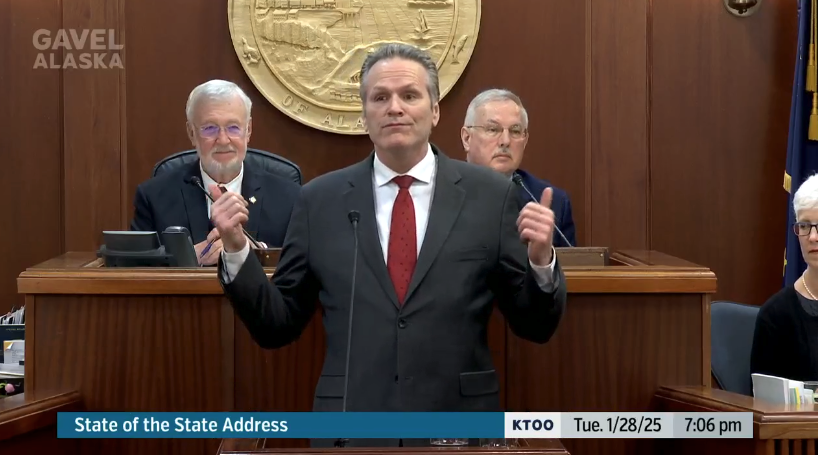
“Obviously he has a master plan, of which we don’t know who the master is. He made a mess. I want to see his solution." - Senate Finance co-chair Bert Stedman on Dunleavy's infrastructure veto to the ADN.
The fog has cleared over Juneau, and the Alaska Legislature's 2026 legislative session is set to get underway today. A combination of an already-bad fiscal picture, escalating global uncertainty and a lame-duck governor with a bad attitude will put a lid on just how much can and will get done over the next 90 to 120 days, so many are entering the session with the goal to limit and undo as much of the damage and mess that Gov. Mike Dunleavy has done and wants to do in his final year in office.
The big priority right off the bat is addressing more of the governor's vetoes from last year. And while his vetoes were once seen as the end of the road due to the state's unusually high bar for overrides, legislators were galvanized last year by his landmark veto of public school funding and delivered a landmark veto override. This year, the big things to watch are his veto of Senate Bill 113 – a bill to shift taxes for online businesses from other states to Alaska, one of the few revenue measures to have passed the Legislature during his time in office – and his veto of $62 million in federal infrastructure matching funds. Those funds are necessary to unlock more than $600 million in federal funding, which would go to road and other transportation infrastructure projects throughout the state.
Legislators will have five days, marking a deadline of Jan. 24, to meet in joint session to take up an override of SB 113 and any other outstanding vetoes.
The window for the highway match veto, which centers on a dispute over where the money's coming from rather than its use, has already closed, so legislators will have to restore funding through legislation. While legislators had planned to use money from the Juneau Access Project – a costly mine-access project disguised as a poorly justified ferry terminal – and other languishing projects, the governor is a big fan of costly mine-access projects and is pushing the project ahead over the objections of pretty much everyone who doesn't stand to directly benefit from it.
That means legislators will likely have to tap the state's rainy-day savings fund, the Constitutional Budget Reserve, for the cash, a politically and literally costly exercise given the fund's three-quarters vote threshold to access. Such votes usually require including minority caucus members' spending asks, a move that drives up the price of legislation and further depletes the state's already-depleted savings. To several legislators, including the powerful Senate Finance Committee co-chair Sen. Bert Stedman (R-Sitka), it's a mess of the governor's own making that they aren't particularly enthusiastic about taking the lead on fixing.
"I was shocked when he did what he did. It makes no economic sense,” he told the ADN. “Obviously he has a master plan, of which we don’t know who the master is. He made a mess. I want to see his solution."
Given the governor's track record of absenteeism from the legislative session – a problem that became so severe last session that even friendly Republicans were venting their frustrations publicly – and unwillingness to negotiate with legislators beyond just making demands means Stedman will likely be kept waiting.
The funding is a critical part of the state's construction season and without it, the state's 2026 construction season could be in jeopardy.
To put a fine line on legislators' dissatisfaction with Dunleavy's veto-first-ask-questions-later approach to governing, the Senate State Affairs Committee will be leading off the first committee hearing of the session this afternoon with a hearing on Anchorage Democratic Sen. Matt Claman's constitutional amendment, SJR 2, to lower the veto override threshold from a near-impossible 45 of 60 legislators to a still-difficult 40 of 60 legislators.
Why it matters

All of this comes under the backdrop of the state's ongoing structural deficit – a mismatch between what the laws governing what the state takes in and what it spends – that has made for increasingly gloomy outlooks in future years.
It's a problem that has stubbornly persisted, thanks in large part to Dunleavy's my-way-or-the-highway approach to the budget, where he's refused to entertain new revenue while also opposing any changes to the largest driver of the state's structural deficit – the long-ignored statutory formula for the Alaska Permanent Fund dividend (which, hey, remember to sign up for yours!). While he's pushed for an all-at-once approach, he's been notably absent from those conversations, except to torpedo the occasional effort to raise revenue, including a bill that would have raised taxes on nicotine vapes.
While the governor is holding out a promise that he's finally serious about the problem that has defined the entirety of his term in office and will introduce a comprehensive fiscal plan this session, which has yet to be seen by anyone who'll be asked to vote for it, legislators don't seem to be giving it much stock, especially when he's proposing a budget with a $1.5 billion deficit.
Legislators are also increasingly frustrated with the state's languishing public services under the governor, with everything from social safety net programs to business licensing taking a hit due to understaffed state offices. While conservative detractors often paint the Legislature's bipartisanship as a streak of runaway liberalism, the reality is that the main uniting factor is a desire for basic competency in state government, something we've been lacking under Dunleavy.
So for this session, the main goal will be to protect the state's fiscal house from ruin – an increasingly likely scenario given President Trump's goal of a $50 barrel of oil (which would punch a $300 million to $500 million hole in the budget). Expect a slim budget that maintains as much of the state's savings as possible and a continuation of the $1,000 dividend that we've seen in recent years, ensuring that the next governor doesn't have an even bigger mess to clean up.
Stay tuned.
Reading list
 Matt Acuña Buxton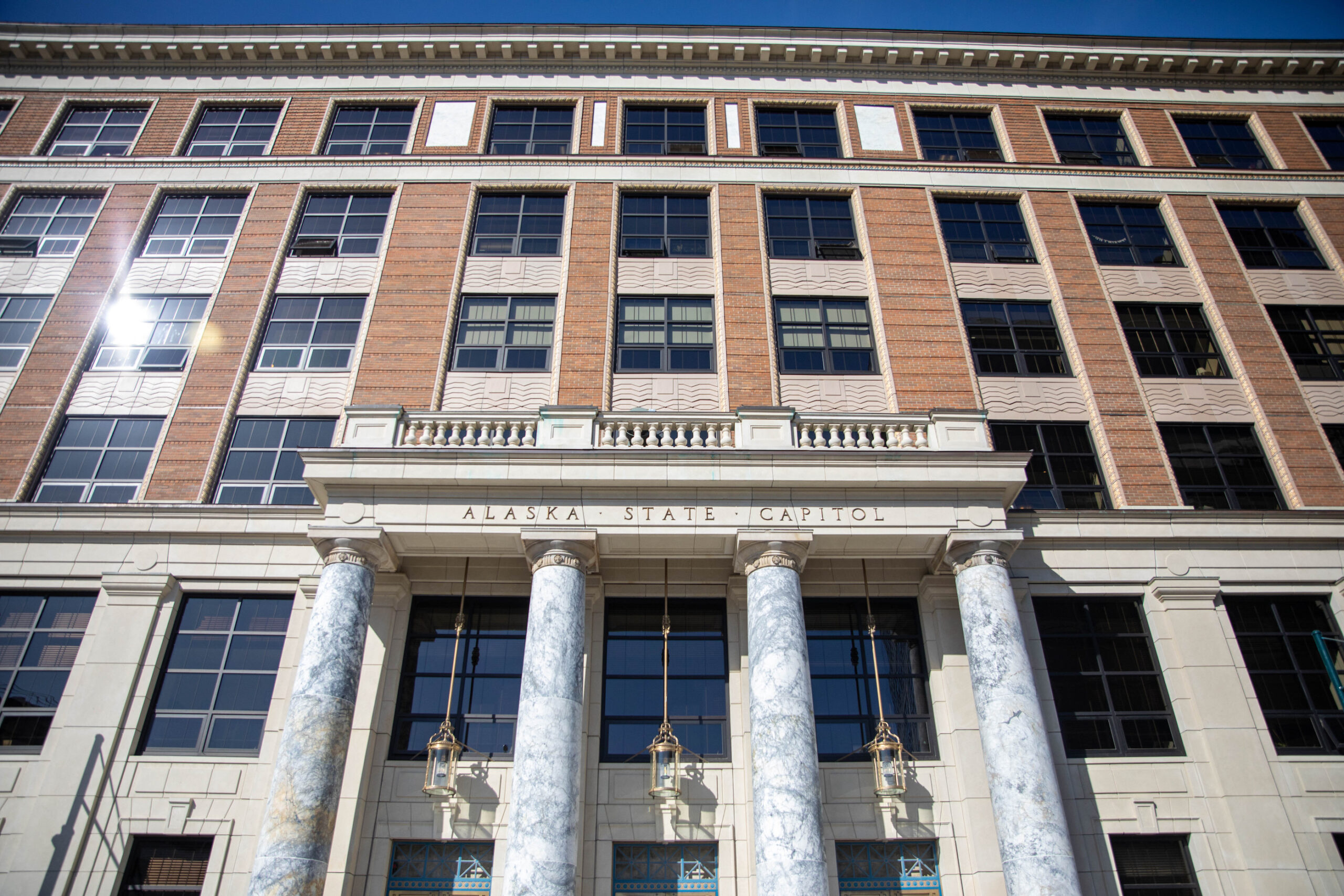
 Lauren Windsor
 Matt Acuña Buxton
 Iris Samuels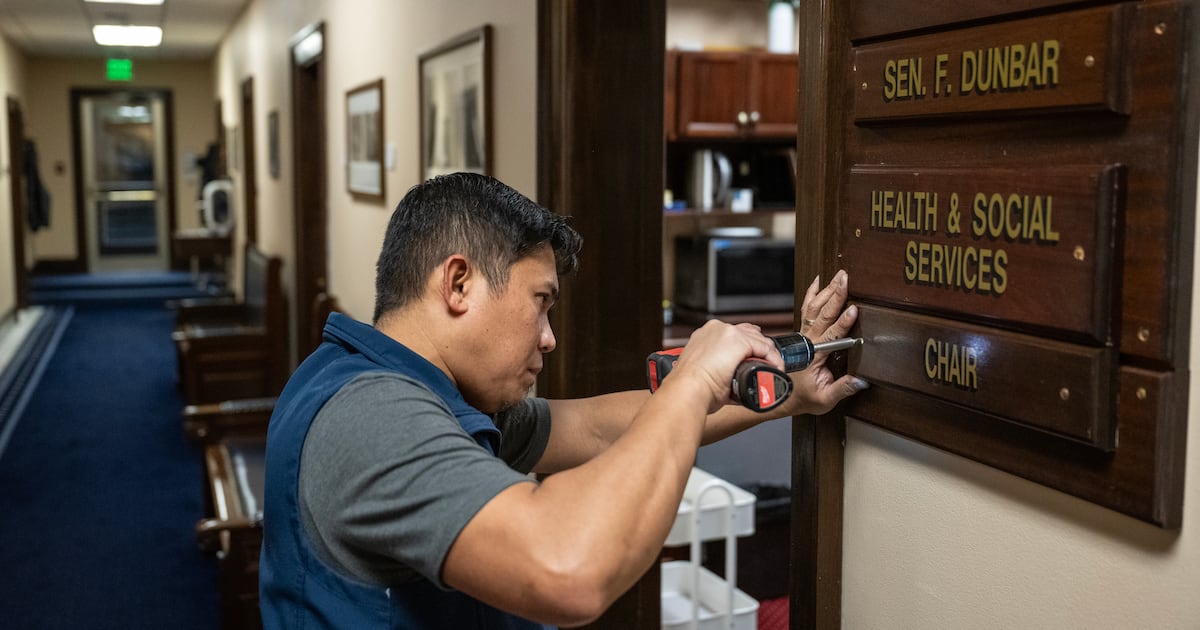
 Matt Acuña Buxton

The Alaska Memo Newsletter
Join the newsletter to receive the latest updates in your inbox.