Day 2: 'At some point, the dam's gonna break'
The budget is front and center as the 2026 legislative session got underway on Tuesday, and legislators aren't thrilled with Gov. Dunleavy's proposed budget or what it means for the state's future.

Good morning, Alaska! It's Day 2 of the legislative session.
In this edition: The Legislature gets underway, and the state gets served... a long-expected lawsuit challenging its funding of public education. The state's precarious financial position looms large, with legislators worried about how they'll balance a budget that is both inflated by Dunleavy's unrealistic demands on the PFD and underinflated by all the things Dunleavy left out. Meanwhile, a veto override is scheduled for Thursday, ahead of the governor's State of the State address, where he's expected to unveil an omnibus fiscal plan. Also, it looks like it could be the end of the road for Dunleavy's attempt to upend the judicial selection process after his administration no-showed the first hearing of the session.
Current mood: 😒
'At some point, the dam's gonna break.'
The state of the state's budget is front-and-center as the 2026 legislative session got underway on Tuesday, and legislators aren't exactly thrilled with Gov. Mike Dunleavy's proposed budget. Not only does it contain a $1.5 billion deficit for the upcoming year – in large part due to his inclusion of a large dividend payout under a formula that hasn't been followed for nearly a decade – but it also omits several hundred million dollars in additional expenses that legislators say will have to get paid one way or another. They say bringing the dividend payment down to $1,000, as it has been in recent years, would help, but not enough.
“I anticipate there's going to be a lot of discussion this year on what the dividend should be, but I would assume from last year's discussion that if we adopted a $1,000 dividend with the governor's proposed budget, that would give us a surplus of about $150 million,” Senate Finance Committee co-chair Sen. Lyman Hoffman (D-Bethel) said during the majority’s Tuesday pre-session news conference. “That doesn’t mean that money will be available because there are approximately in excess of $200 million as I see as items that have not been addressed in the governor’s budget.”
He pointed to expenses like the state's failure to pass the federal education disparity test, retirement payments and a Medicaid funding gap as big, expensive issues left out of the budget. Other big, looming expenses stem from the current budget year, like disaster relief and the $62 million in federal infrastructure matching funds needed to rescue this year's construction season, adding up to a roughly $300 million deficit in the current year that will also need to be addressed.
While Dunleavy dropping a mess of a budget isn't new, legislators' willingness to take the lead on cleaning it up seems to be running out. At the Senate's news conference, several legislators said they'll look to Dunleavy to take the lead on the politically costly effort to tap the state's savings account.
“I don't know what the governor intends to do to propose fixing this and coming up with the three-quarter vote to do that,” Senate Finance Committee co-chair Sen. Bert Stedman said, repeating the statements he made at a joint meeting of the Resource Development Council and Alaska Support Industry Alliance last week. “We do have a deficit in this current fiscal year. And it is very difficult to deal with the three-quarter vote. They get expensive. So, we'll wait and see what the governor's proposal is to fix the mess he created."
Senate President Gary Stevens agreed.
“I can't stress that enough that the governor did create this issue by vetoing it,” Stevens said, “and we're looking to him to help us resolve it.”
Stedman was particularly pointed in his criticism of the governor's veto of disaster relief funding, noting that it didn't end up saving the state anything.
"The political game is that the governor could take big chunks out, claim he's saving money,” he said, “and then when there's a disaster, he just declares the disaster and spends the money and puts it in a supplemental. That's what we want to avoid. We want truth in budgeting."
In the big picture, there's growing frustration over what legislators see as a deterioration of state services – everything from food stamps to business licensing – under the governor's stubborn refusal to make any tough decisions on the state's ongoing structural deficit beyond hiring freezes. He hasn't delivered meaningful cuts and has been unwilling to approve any new revenue, while delivering budgets that call on spending huge chunks out of the state's dwindling savings.
Stedman noted that the governor's capital budget doesn't call for any major school maintenance or the $62 million to refill the state's highway match. He said that while the Legislature's goal will be to make payroll first, the lack of investment and worsening services will create problems for the state down the road.
“We’re gonna have another tight year. At some point, the dam’s gonna break,” said Senate Finance Committee co-chair Sen. Bert Stedman (R-Sitka). “We also have not talked about some of the agencies that are having extreme difficulties in meeting their fundamental goals and objectives.”
Follow the thread: Senate pre-session presser
Education lawsuit filed
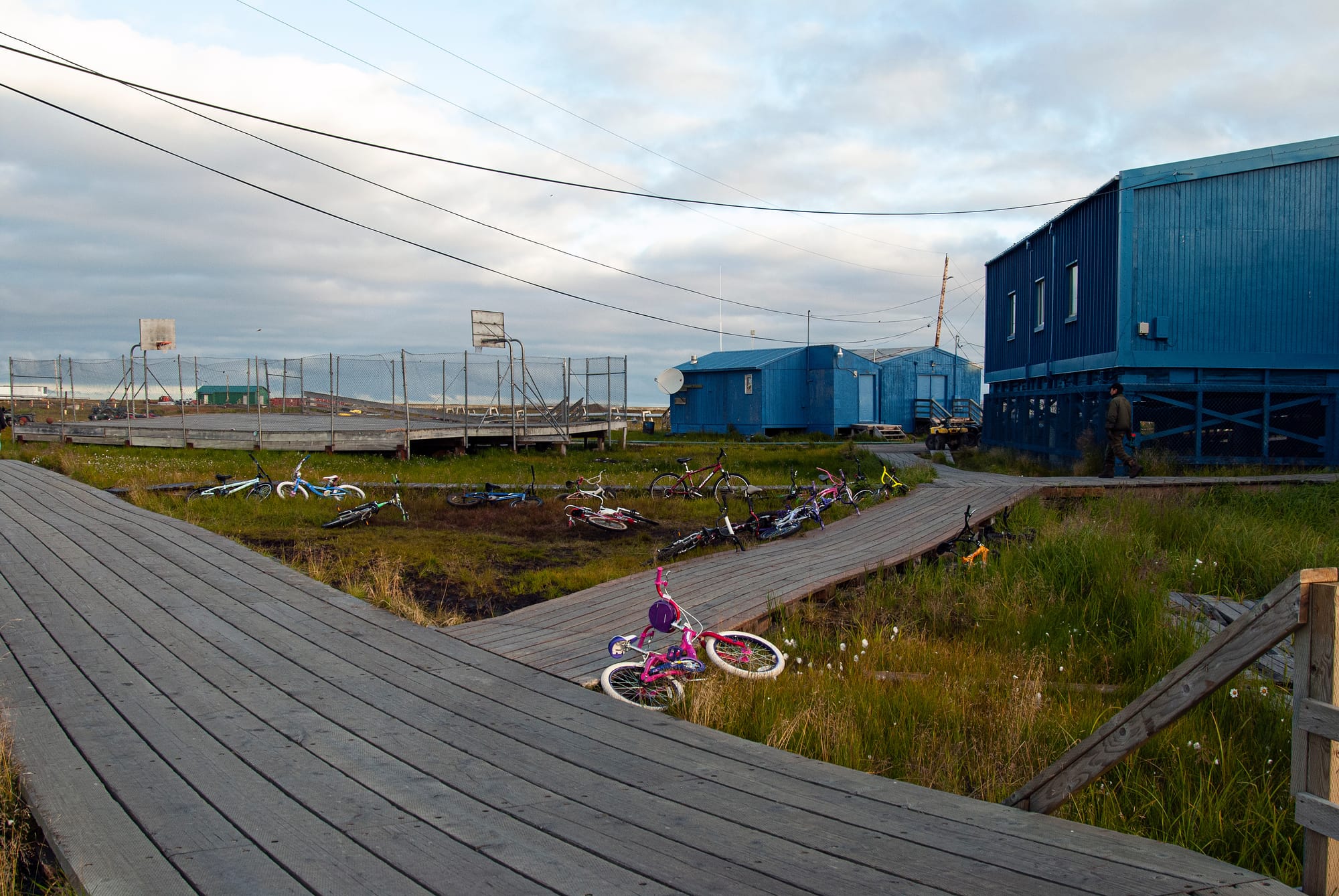
The Fairbanks North Star Borough and Kuspuk school districts joined together to file a long-expected lawsuit challenging the state's underfunding of public schools, timing the filing to make a splash on the first day of the legislative session. The lawsuit accuses the state of failing to live up to its constitutional obligation to adequately fund public education for all children, pointing to particularly woeful conditions in rural communities, where many students are forced to learn in dangerous and dilapidated buildings with a revolving door of green teachers.
The suit also asks the courts to mandate an adequacy study to get to the bottom of just what it costs to adequately educate students throughout the state.
“Alaska, we don’t believe, has ever done an adequacy study to really understand what it would take to allow Alaska students a fair opportunity to learn the skills they need to participate and contribute to society,” the group's pugnacious trial attorney Matt Singer told the ADN. "If you don’t know what something is going to cost, then you can’t have a conversation with the Legislature about how to fund it."
More coverage from the ADN: In lawsuit, 2 school districts say Alaska fails to meet its constitutional obligation on public education
Fiscal plan planned for Thursday
Just what Dunleavy has planned for his sweeping fiscal plan is still largely unknown, but legislators are expecting to hear more at the governor's State of the State address on Thursday night.
Interestingly, that will also be the day that the Legislature is set to take up a potential override vote on the governor's veto of Senate Bill 113, which would require Outside businesses to pay income taxes on the business they do in Alaska. Currently, the law lets those tax dollars go to wherever the businesses and their server farms are located.
Senate President Stevens noted that they had hoped to hold the override session on Tuesday to open the session, but that it was Dunleavy who requested a couple of extra days to try to whip up votes to sustain the veto. The original bill passed with 42 votes, two more than what's needed for the override.
Absent on the first day of class
One of the few things that the governor has wanted more than the pseudo-privatization of the state's public school system is the politicization of the state's judicial selection process.
The Alaska Constitution greatly limits the governor's sway over the judiciary by limiting his selections to a slate put forward by the Alaska Judicial Council, a merit-based process that has been hailed as one of the better and fairest ways to select judges. That's long chafed conservatives, who would very much like to appoint ideologues who would, for example, ignore the legal precedent that the state's privacy clause protects the right to abortion.
The Senate State Affairs was set to hold a hearing on his latest proposal – SJR 13, which would allow him to appoint anyone who meets the minimum qualifications – on Tuesday, but there was one little problem: No one showed up.
Committee chair Sen. Scott Kawasaki and Sen. Bill Wielechowski both noted that the measure came up in pre-session talks with the administration, and they had several weeks' notice that the hearing would be held. Wielechowski said no-showing the hearing isn't exactly a good way to get anything passed.
"I do just want to point out that if you schedule a hearing and you're told weeks in advance and refuse to attend – just for the public out there and anybody that might have another bill – there's probably a high likelihood your bill's not going to get heard again," he said.
Follow the thread: Senate State affairs
Stay tuned.
Reading list
 Dermot Cole
 Alex DeMarban
 Rachel Cassandra
 Emily Schwing for the Daily News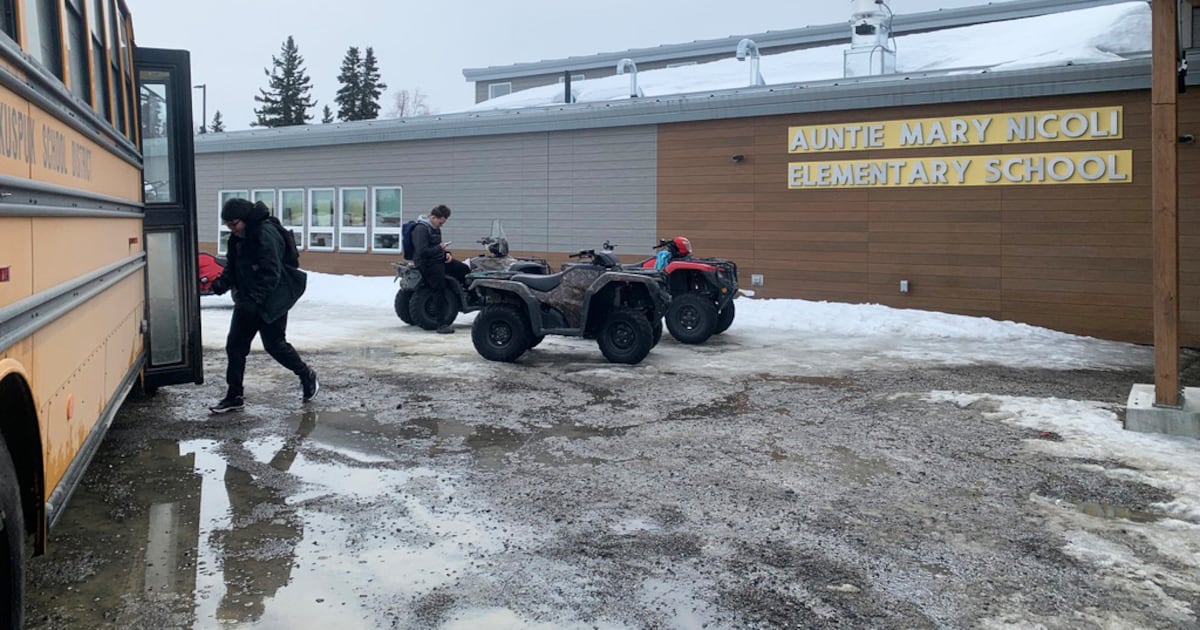
 Kyle Hopkins

The Alaska Memo Newsletter
Join the newsletter to receive the latest updates in your inbox.