Light on specifics, Dunleavy says his yet-to-be-introduced fiscal plan 'could work'
In what could have been an opportunity to change the course of how his time in office will be remembered, the governor offered no concrete details and doesn't even seem all that convinced it'll work.

It's Monday, Alaska. And sorry for no Friday edition, the week got away from me!
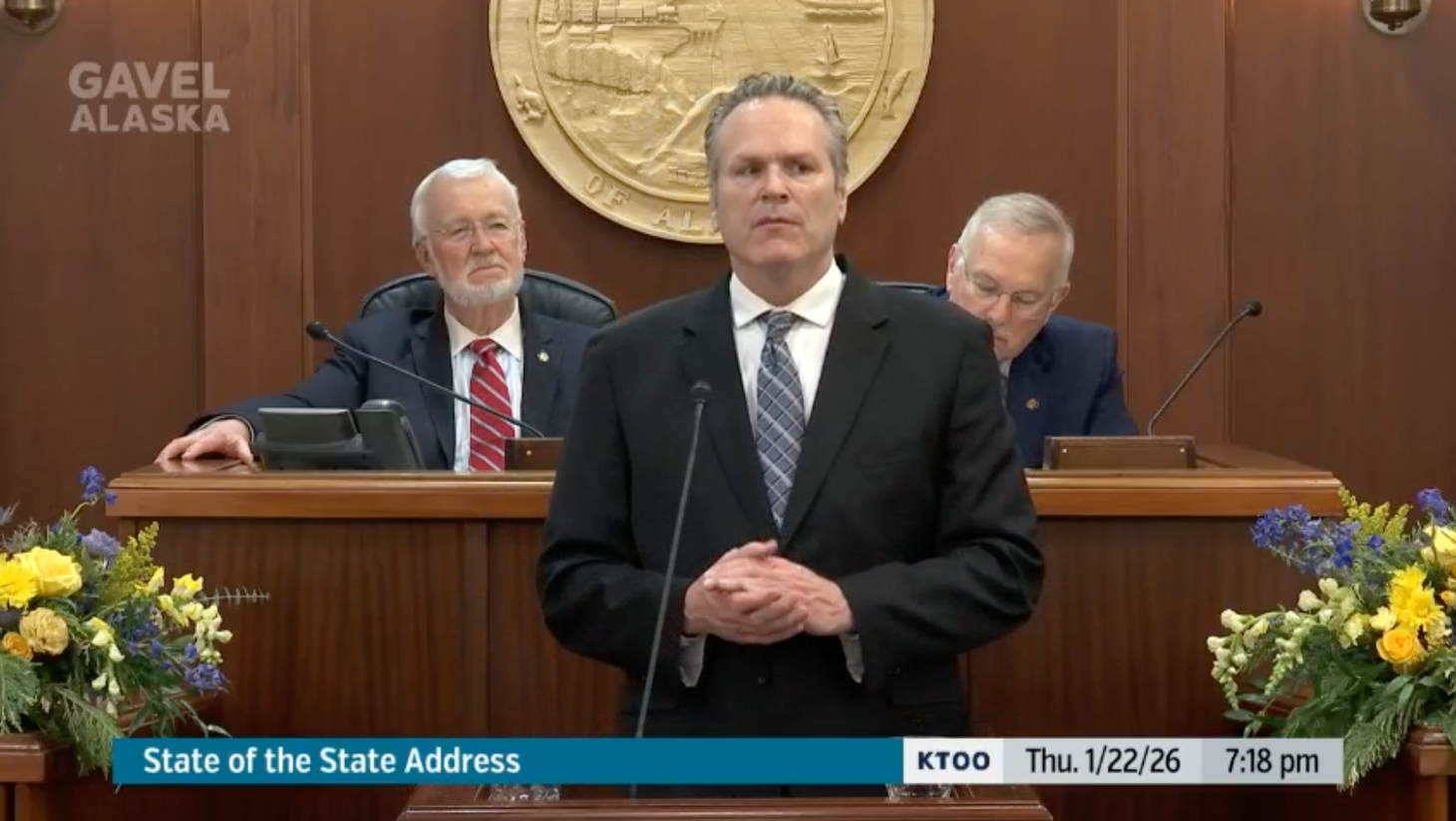
In this edition: Governor Mike Dunleavy delivered his final State of the State address last week, a victory lap that was long on self-praise and painfully short on the comprehensive fiscal plan Alaskans were promised. In what could have been an opportunity to change the course of how his time in office will be remembered, the governor offered no concrete details to back it up and doesn't even seem all that convinced it'll work. Also, the reading list.
Current mood: ❄️
RIP Alex Pretti.
Light on specifics, Dunleavy says his yet-to-be-introduced fiscal plan "could work"
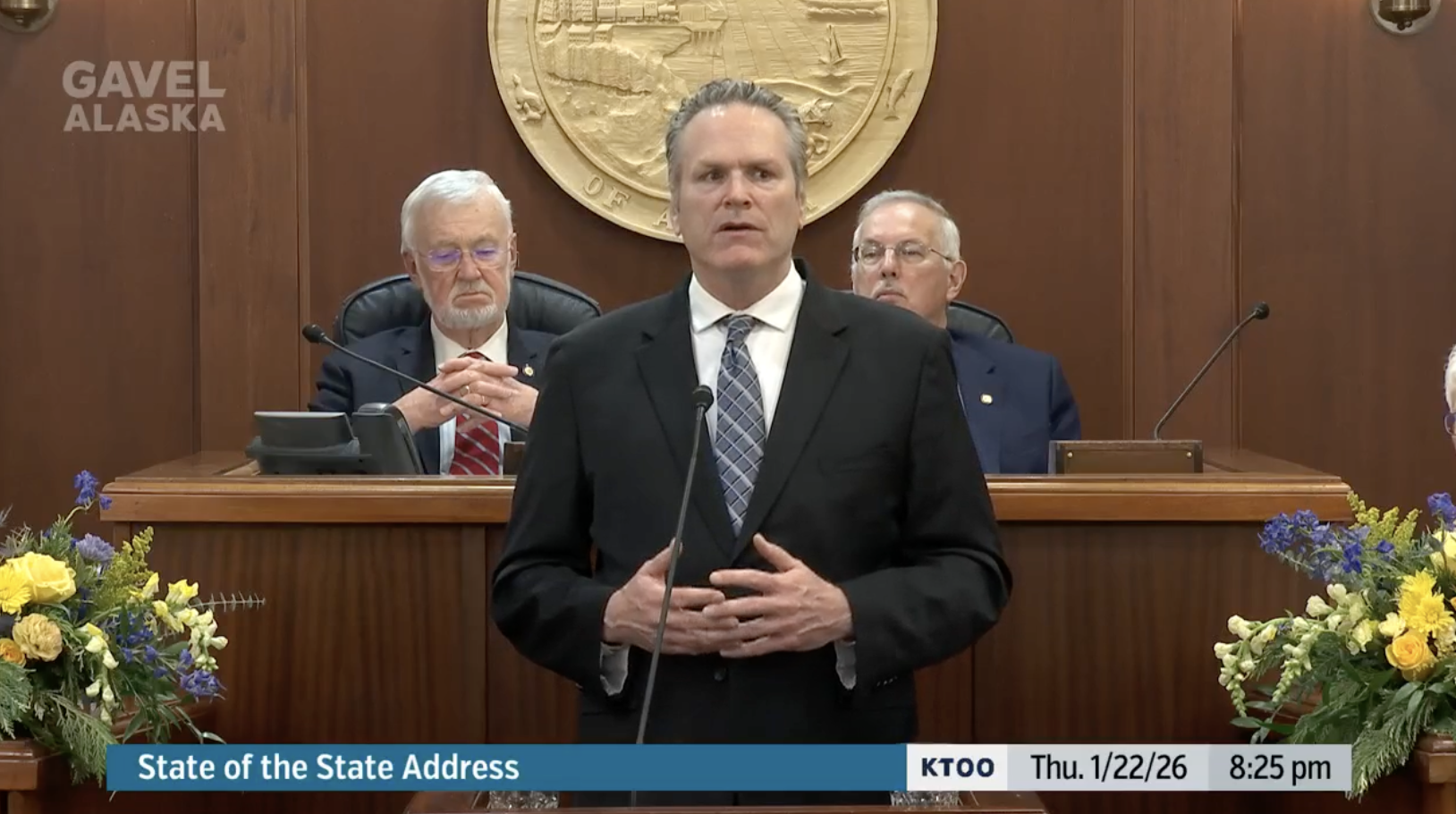
Gov. Mike Dunleavy gave his final State of the State address last week, giving himself high marks for the job he’s done over his two terms in office in a speech that was more notable for what it was missing.
“Despite what some in the media would like to portray, despite what some bloggers might want to say, and some special interests and political opponents like to convey, some really great things for Alaska have happened under my administration,” he said.
Some!
Crime’s down, some kids are reading better, Biden’s out of office, Trump is doing great things for Alaska, John Sturgeon is an Alaskan hero and the AKLNG project is definitely on sound footing. It was a rosy analysis that tried to paper over many of the state’s issues that have persisted throughout his administration, with few signs of improvement. The state's structural deficit still looms large over its future, and chronic understaffing and underresourcing of state services have left everything from food stamps to business licensing in a lurch. Schools are still struggling due to the state's revolving door of teachers, and just last week, a rural district that relies on the state for funding shuttered a school because its roof is on the verge of collapse.
Rep. Calvin Schrage, I-Anchorage, perhaps put it best in his comments following the speech, as reported by the Beacon: “The governor did a good job of highlighting some of the achievements from his administration, but I think in many cases, he missed the mark on the reality felt on the ground.”
The rosy Trumpian assessment — which came a day after the governor held a Trumpian cabinet meeting where his cabinet also heaped praise on him — was largely to be expected entering the governor's final year.
Still, all of that performative navel-gazing would have been nearly acceptable had the governor meaningfully delivered and advanced the fiscal plan he had teased leading into the speech. At his budget rollout in December, the governor promised to unveil a comprehensive fiscal plan — a combination of revenues, cuts, and other legislative changes needed to finally settle the perennial battle over the basics of the state budget. For many legislators who've tried and failed to advance piecemeal parts of a plan only to run into the dead end that is Dunleavy's veto pen, it was welcome news that the governor might be willing to take some leadership over the situation and exert the political capital to get the tough decisions across the finish line.
Instead, we were left hanging.
The governor, instead, offered no specifics of a fiscal plan. Nothing for legislators, reporters or the general public to dig into or buy into. The "temporary, seasonal sales tax" wasn't mentioned, nor were any other parts. Instead, we were given some vague platitudes and the impression that the governor isn't even all that convinced in his work.
"Each element will have its detractors. There will be those who'll say it doesn't work," he said. "But the fact of the matter is, the numbers and the elements of the plan could work."
Could work!
When Dunleavy and his fellow Republicans are blocking a bill to shift corporate income taxes from other states to Alaska, while instead pushing a "temporary, seasonal sales tax" that will definitely land harder on lower- and middle-income Alaskans, we ought to have something more reassuring than a "could work."
Passing up the opportunity to use his platform to pitch Alaskans on the hard but necessary choices ahead, the governor's administration has instead opted to let pieces trickle out through the bill introduction process without explanation or fanfare.
And the pieces that were debuted on Friday don't engender a lot of confidence that much has changed since his first year in office, when he proposed devastating cuts throughout government and launched an Americans for Prosperity-funded roadshow where he pitched a slate of constitutional amendments that would have effectively stopped the state from implementing any new taxes.
Those pieces, so far, include a meaningless statutory spending cap (meaningless because a Legislature can always spend more than a law says by passing another law, namely the budget), a constitutional amendment that would guarantee an Alaska Permanent Fund dividend payout at 50% of the spendable income of the fund (more than doubling it from where it has been in recent years) and a plan to sell more state land.
Stay tuned.
Reading list
 Alex DeMarban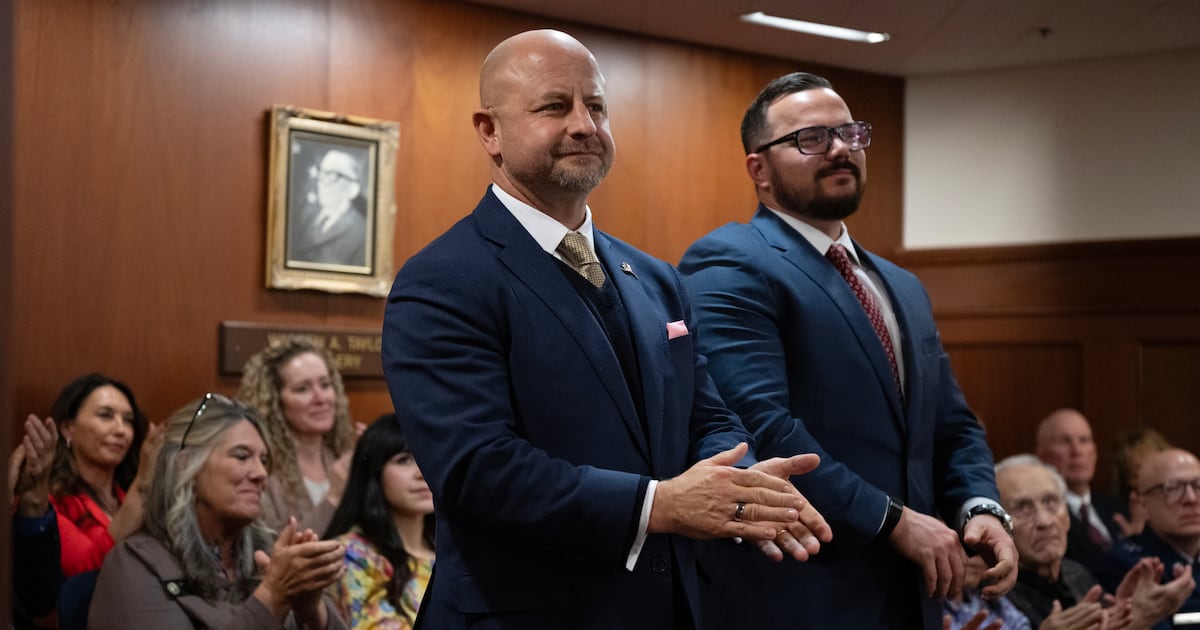
 Eric Stone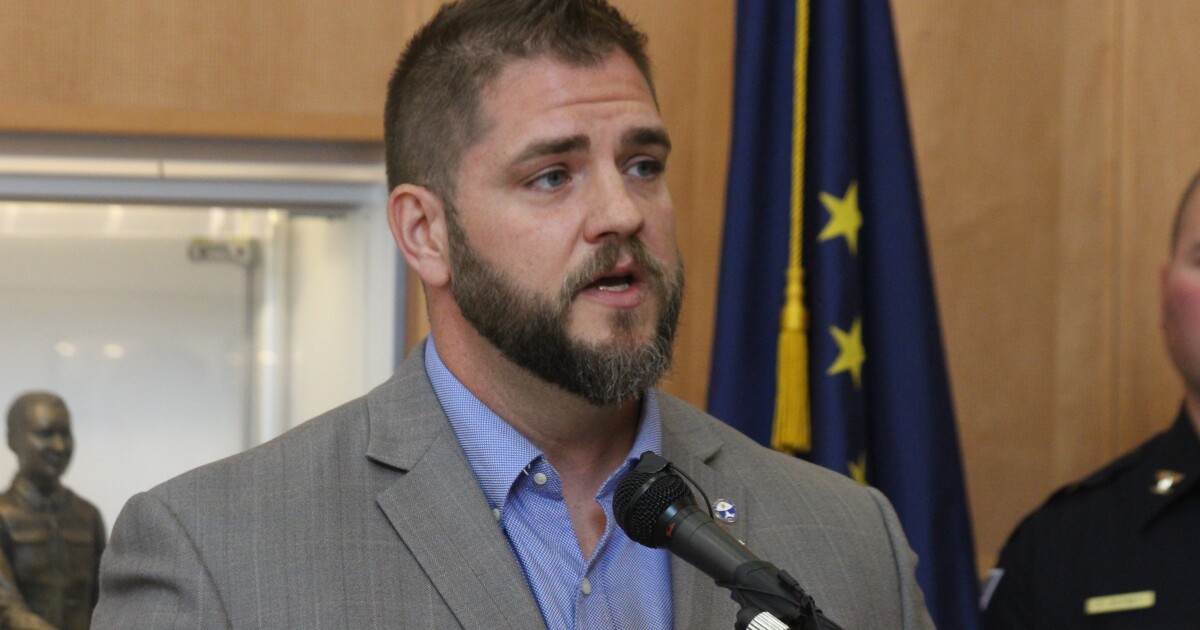
 Liz Ruskin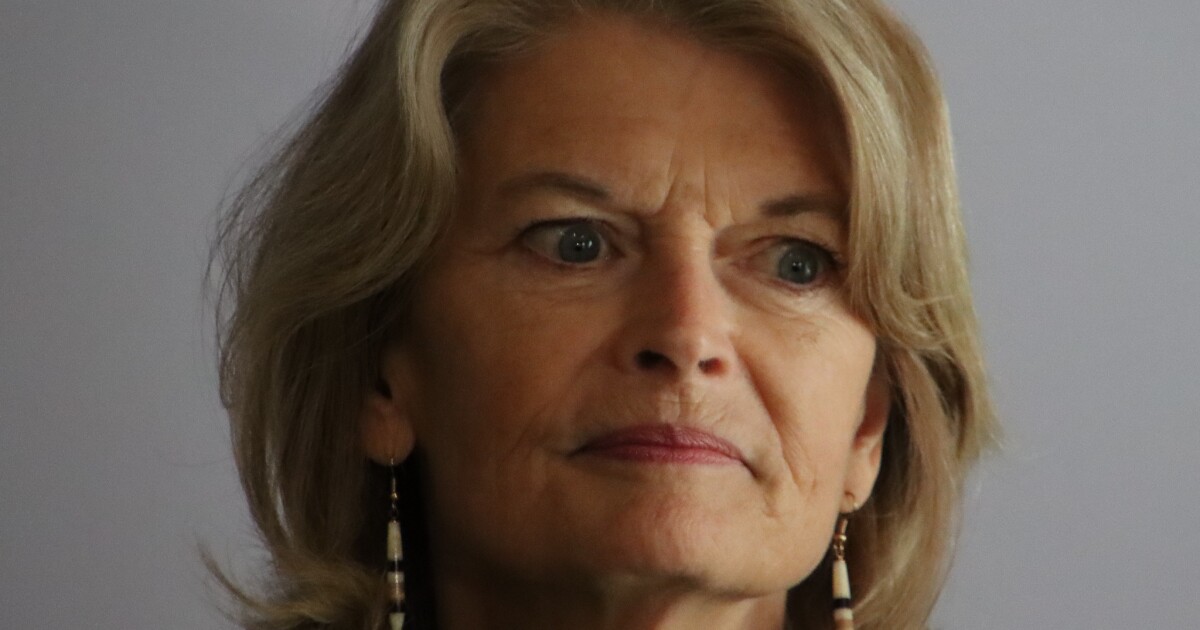
 Hannah Flor
 Jasz Garrett

The Alaska Memo Newsletter
Join the newsletter to receive the latest updates in your inbox.