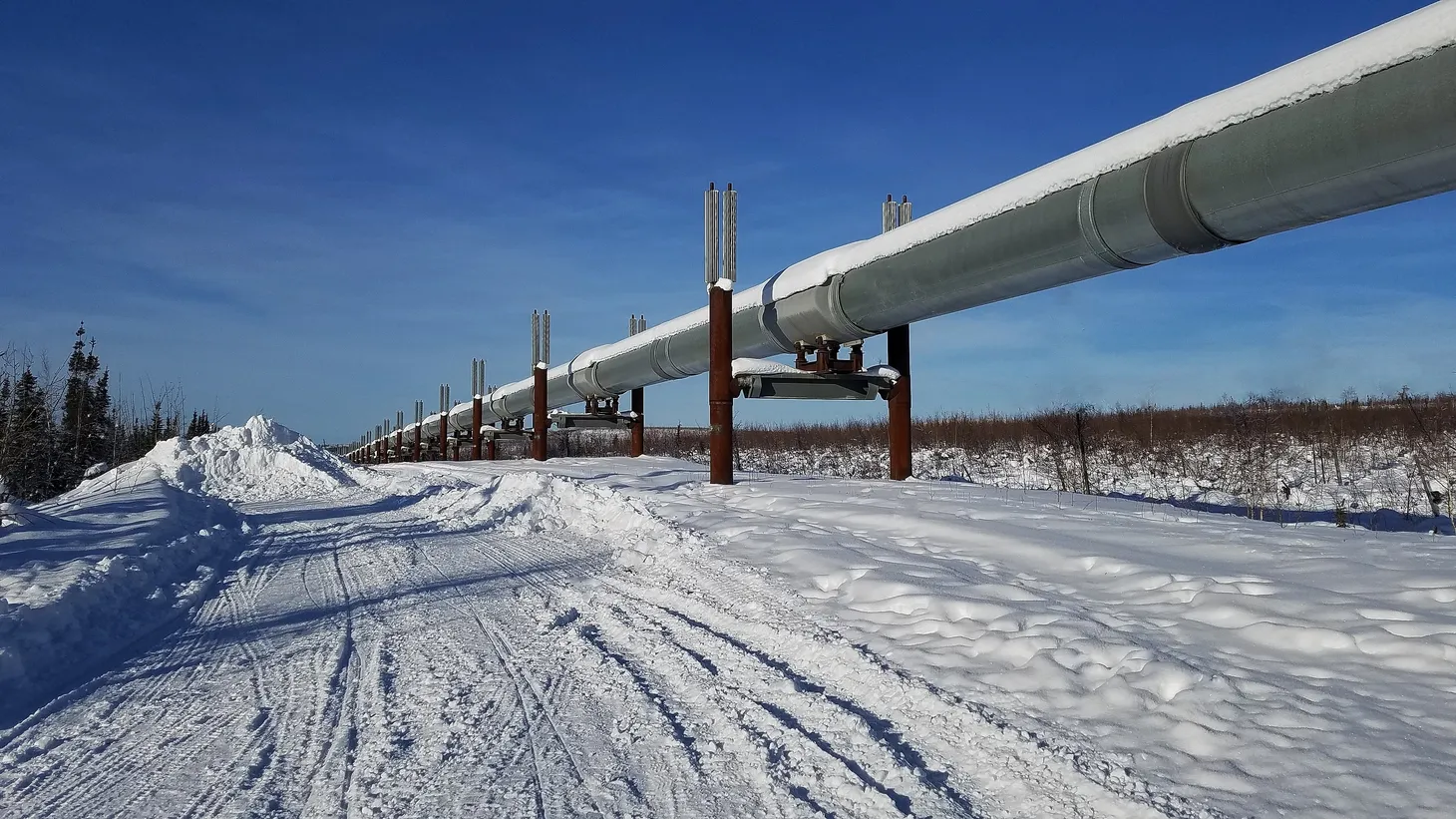
State's salary study conveniently lost in 'Byzantine bureaucracy'
The state argues the latest delay is because they need to go out for a second study to study whether the implementation of the salary study is feasible.

Good afternoon, Alaska! It's Day 16.
In this edition: The struggle to pay a competitive wage continues as the Dunleavy administration insists that it needs a new study to study the feasibility of implementing the salary study they delivered, after much delay, last year. The latest development conveniently puts it off for the next guy, and it's left legislators across the political spectrum fuming. And speaking of the next guy, another guy – former Rep. Jonathan Kreiss-Tomkins – has filed to run for governor. Also, the reading list.
Current mood: 👨🦲
State's salary study conveniently lost in 'Byzantine bureaucracy'
If you’ve been wondering when the state is going to finally implement the results of last year’s long-overdue salary study, which found the state's underpaying most employees, and finally solve one of the biggest drivers of the state’s chronic hiring problems, then you’re not alone, but you are going to have to keep waiting.
In one of the more fiery hearings of the session so far, the House Finance Committee on Monday learned the state is once again punting on pay raises, arguing that the latest delay is because they need to go out for a second study to study whether the implementation of the salary study is feasible. Legislators from both the bipartisan House Majority and the more Dunleavy-aligned Republican Minority were broadly and understandably irate at the twist in a saga already marred by accusations that the Dunleavy administration was trying to rig it.
“We’re looking at how to develop a plan to implement the results of the salary study,” said Personnel Division Director Aimee Devaris, who was sent by the administration to field questions on the project despite being on the job for about three months. “It's going to be a complex project, and it's going to take a bit of time to work through all of that.”
“So we paid for a study, we got information from the study, and now we’re asking for another study on how to implement the last study that we paid for?” asked a visibly frustrated Rep. Will Stapp, R-Fairbanks, who noted that through all the talk about the salary study last year, which was delayed and extended so the Dunleavy administration could lower the benchmark of what’s considered competitive, that there was never talk of a second classification study being needed.
That’s because it’s complicated, Devaris said, noting the need to reevaluate how the state classifies different jobs before it can move ahead with fixing pay.
When can legislators expect the whole thing to be wrapped up and implemented so they can stop hearing about how hiring problems are undercutting the state's delivery of everything from social safety nets to business licensing?
“Some amount of time,” Devaris said, noting that there wasn’t any money proposed for this year’s budget, so it’ll be “at least a year to develop those plans.”
That’s not what anyone wanted to hear. The state's chronic understaffing, hiring woes and retention problems have been impossible to ignore for years. And while there's been renewed interest in restoring a pension system for public employees – a problem that's felt particularly acutely because public-sector employees don't accrue Social Security because the state's opted out of the system – the fundamental problem is that state pay is simply not all that competitive.
Even a cost estimate to implement the salary study, at either the long-accepted level of what's considered competitive or Dunleavy's lower one, wasn't available.
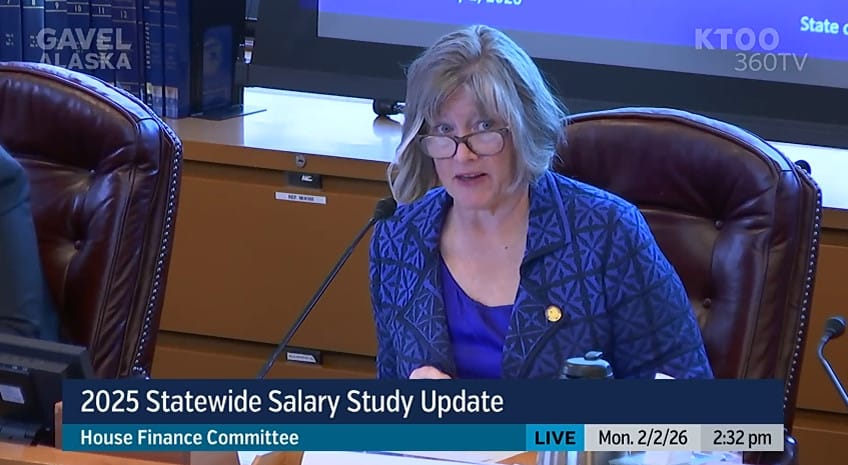
Rep. Sara Hannan, D-Juneau, said she was troubled by the administration's approach to the hearing, particularly the absence of Department of Administration Commissioner Paula Vrana. She said the lack of even a basic back-of-the-envelope cost estimate leaves legislators in the dark.
"It's a little bit shocking to me that your commissioner is not with you today,” said Rep. Sara Hannan, D-Juneau. “That she sent the lambs to the fire, knowing there were going to be questions about something we spent a lot of time asking about last year. ... It doesn't bind us to anything, because maybe it's a billion dollar price tag, and we know we don't have a billion dollars to implement it, but we at least need to know."
Even Rep. Jamie Allard, R-Eagle River, got in on the chiding, asking a pointed question if Devaris even knew where Vrana was (not in Juneau).
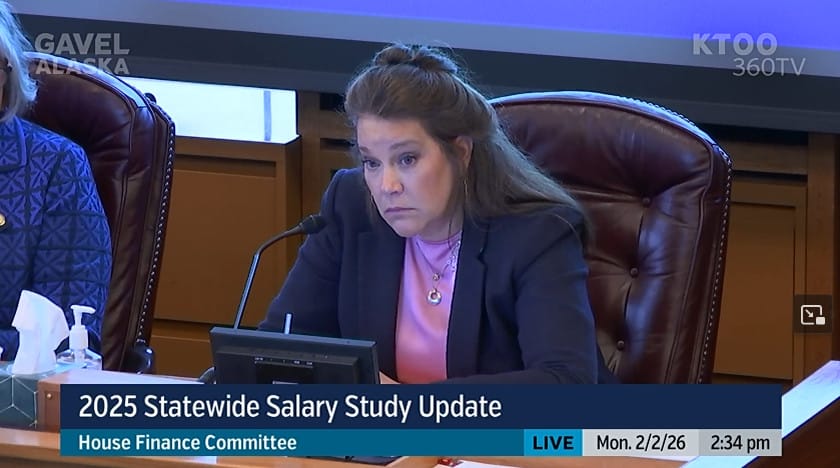
"I'm just going to make a comment on record that generally, when we have these briefings, the commissioners are here," she said.
For Anchorage independent Rep. Calvin Schrage, a co-chair of the House Finance Committee, it all seemed intentional.
“We have a hollowed-out government where we all recognize that salaries are uncompetitive, and we don't have a cost estimate on what that would take to address, and we can't address any of it until we have a new governor, because none of this will be done until this current administration is out of office," he said. "And it just is very challenging for me, at least sitting at the finance table, to understand how we address these challenges when it seems like everything is set up to be delayed until we have a new administration."
And for Stapp, the whole thing was existentially exhausting.
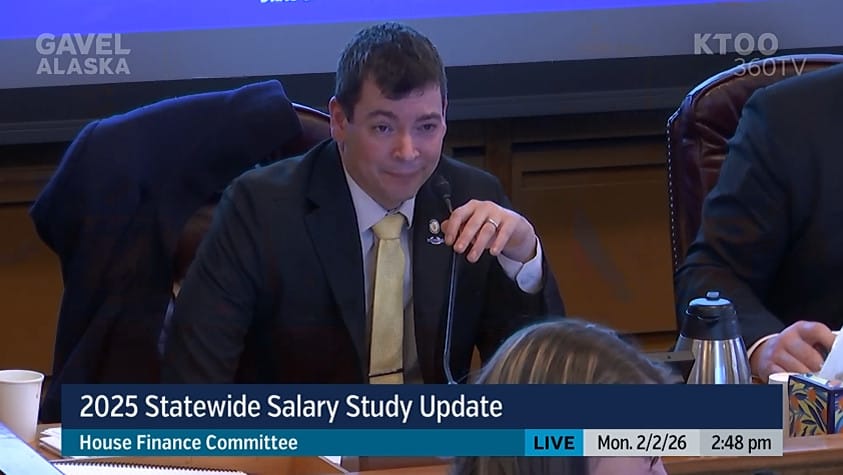
"I've always wondered what the word Byzantine bureaucracy meant. And I feel like, after today, I kind of know that," he said. "So I do feel like this is basically being stuck in a bureaucratic malaise that is slowly grinding my soul into powder."
So, as it stands, the Dunleavy administration's position on the salary study is, essentially, leave it to the next guy.
... speaking of which.
JKT 4 GOV
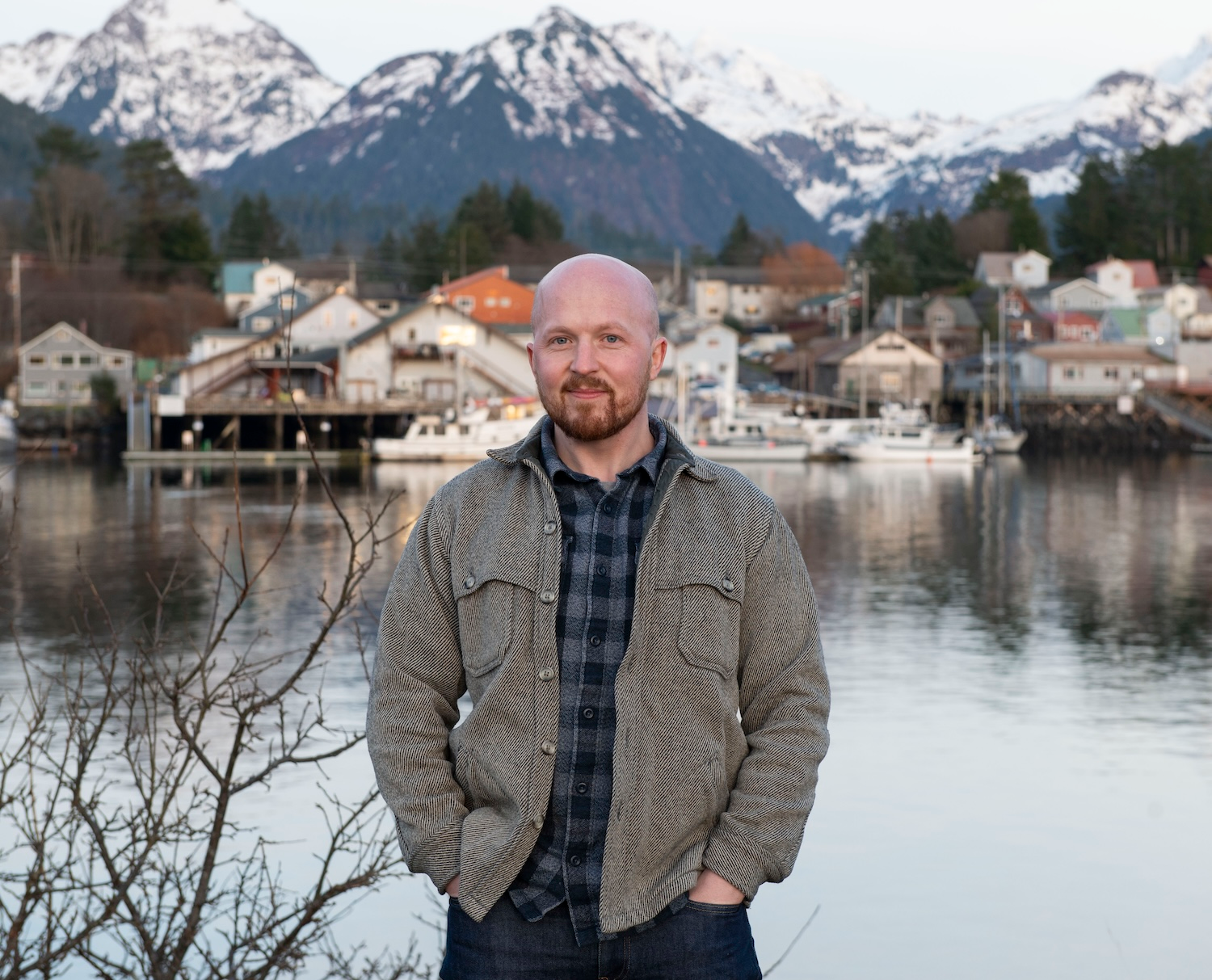
Former state legislator Jonathan Kreiss-Tomkins – who served in the House from 2013 to 2023 – officially joined the race for governor on Tuesday, becoming the 16th candidate and the third Democrat. For a lot of progressives, the 36-year-old's entry into the race is one of the more exciting developments in what will be one of the state's most consequential elections in November.
The state is in sore need of more future-facing policies after years under Dunleavy, during which the state failed to meaningfully address school funding, rising living costs and a lack of jobs, and has seen a corresponding exodus of young adults. Outside of the Legislature, Kreiss-Tomkins, who dropped out of Yale to become a state legislator, has made reversing the brain drain a big personal focus. In 2014, he founded the Alaska Fellows program, an initiative to attract and retain talented young people in Alaska by providing year-long fellowships at nonprofits and in the public sector. In his launch, he said he wants to bring the bipartisan coalition mindset to the governor's office.
“This campaign will be about working together, across political and geographic divides, to get Alaska back on track,” he said in a prepared statement. “In Juneau, I learned that Alaska is at its best when our leaders work together to solve problems. But for too many years, we’ve had a governor who has refused to work with the legislature to solve the problems we face, from our declining school system, to our economy, to rising costs. I’m running for governor to tackle those problems head on — with anyone and everyone who will join me — to create an Alaska that is affordable and has real opportunity so our kids can build their lives here at home.”
And while he’s been focused on reaching bipartisan buy-in in the Legislature, he’s also been one of the better bearers of progressive policies while in Juneau, frequently laying out the down-to-earth case for why policies that help working-class Alaskans help everyone. That could be a winning formula in a political climate where solutions-based politics, like that of New York City Mayor Zohran Mamdani, have caught fire with fed-up voters.
Stay tuned
Reading list
 Eric Stone
 Shelby Herbert
 Tim Rockey
 Matt Acuña Buxton

The Alaska Memo Newsletter
Join the newsletter to receive the latest updates in your inbox.