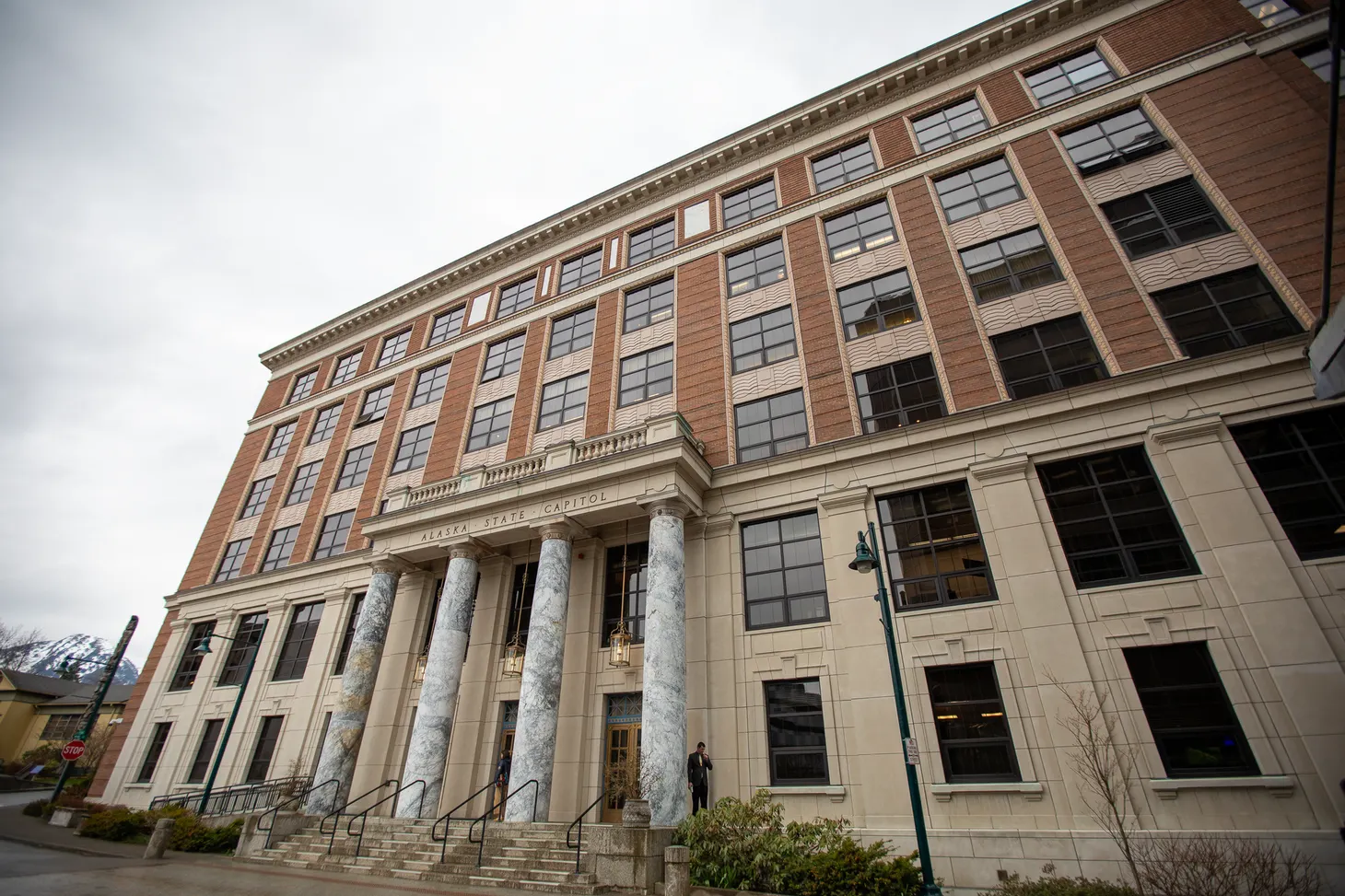
What's the Alaska Division of Elections even doing anymore?
It's like it's being run by an election denier or something.

It's Friday, Alaska. Glad to be back at it, and thanks to those who checked on me during my time away. I'm glad to know that I was missed!
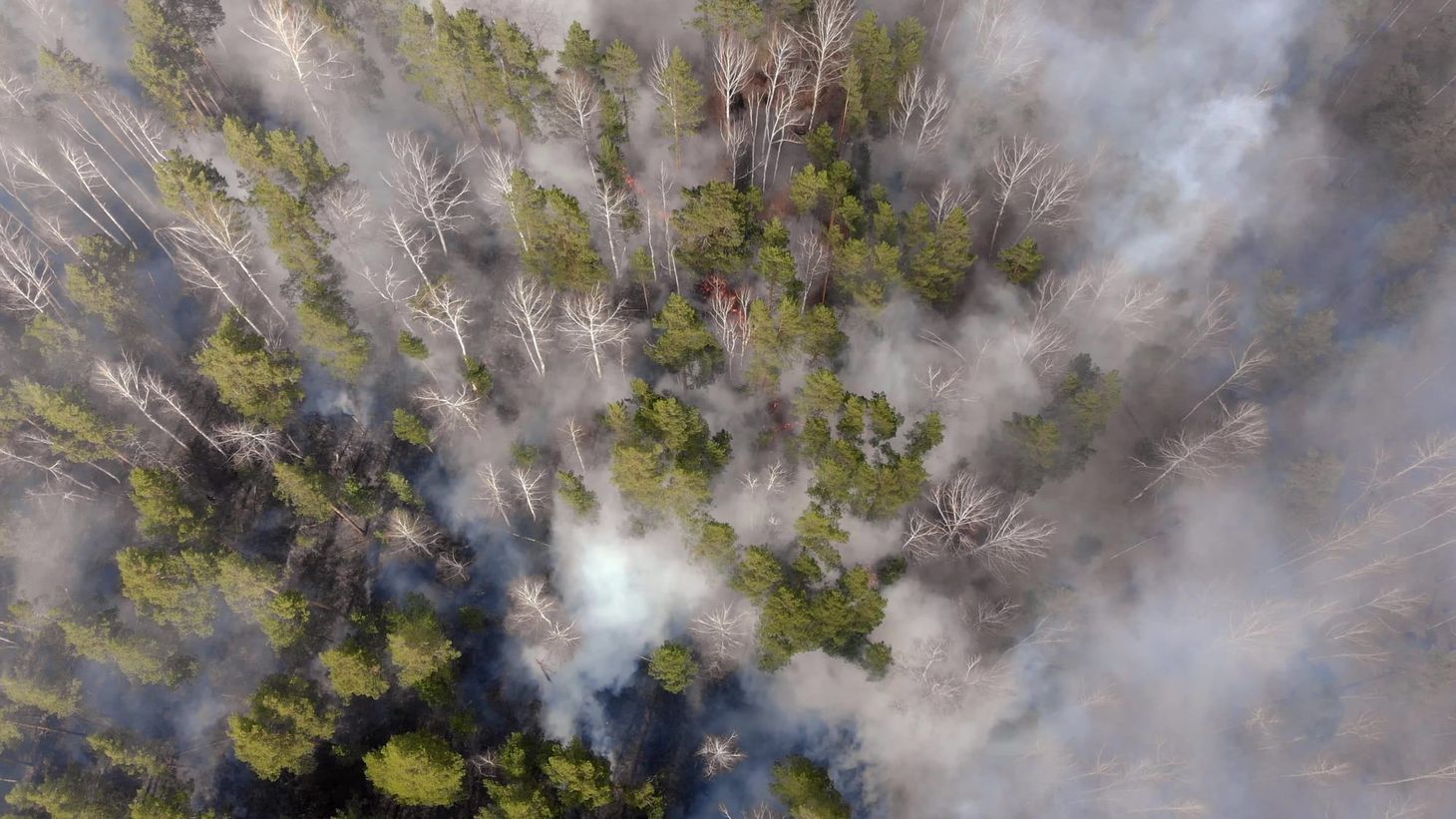
In this edition: Back from my staycation, and it appears just about everything except for Alaska's forests is on fire (knock on wood). The Division of Elections is at the center of the show after a legislative hearing this week revealed the state has been kicking loads of people off the voter rolls using what they admit is "old data"; it's still standing by its nakedly partisan attempts to suppress Dan J. Sullivan, and a state employee got handsy with a TV camera. Meanwhile, on the eve of the third special session on the AKLNG project, pretty much no one is expecting anything after oil and gas company Hillcorp reportedly put the clamps on everyone over the inclusion of the long-sought-after corporate income tax change. On the elections front, Bill Hill will get his head-to-head with Nick Begich after Matt Schultz dropped out last week, but can the anti-Begich vote unite after a sometimes-bitter fight to figure out who's Alaska's best hope to unseat the GOP freshman? Begich sure hopes not. Also the reading list and weekend watching, whew.
Current mood: 🌦️
Next week: Fundraising funsies and an updated gubernatorial tier list.
Programming note: This is a mega-edition, which Gmail is prone to clip. If that's the case, you can click "View entire message" or view this post on the web.
Between voter purge and partisan ballot hijinks, what's the Division of Elections even doing?

Elections in our sparse and sprawling state have never really gone over without a hitch. Issues around staffing, communications and logistics have long been a headache, particularly for rural communities that face particularly acute issues with resources and neglect at varying levels of intentionality by urban-minded administrators. Yet, things have seemed to take a particularly nasty turn under the umbrella of the Dunleavy administration — yes, elections are technically under the purview of his lieutenant governor, but so much is driven by the Department of Law there's little separation in practice. Polling stations that open late or not at all have become a painfully regular occurrence; some voters have gotten the wrong ballots altogether, and other communities cast votes for them to never be counted.
And then there's a litany of examples of the Division of Elections officials putting a thumb on the scale of races, delivering decision after decision that seems to be crafted to give Republican candidates and conservative causes a boost.
Taken together, the state of elections in Alaska is the product of one part the result of Dunleavy's compulsive destruction of Alaska's administrative state, two parts an effort to bend the rules for their partisan advantage and a dash of incompetence, all wrapped up in the flimsiest legal arguments you'll ever find. And for a party that pays a lot of lip service to the need to restore trust in elections, it's hard to imagine a series of actions better designed to sow doubt than what the state has done leading up to this year's elections.
It's almost like a Trump-supporting election denier is running the show.
On the partisan end of things, elections under Dunleavy got off to an ominous start with his Division of Elections. Under former Lt. Gov. Kevin Meyer, putting flimsy yet effective, time-wasting roadblocks up to the recall effort and it fiddled with the language of an initiative to raise oil taxes. Under Lt. Gov. Nancy Dahlstrom, the state gave the effort to repeal the state's open primary and ranked-choice voting system a convenient life raft when the initiative group got caught trying to turn in fraudulently notarized signature packets, ensuring otherwise fatal errors wouldn't prevent the red-meat conservative issue from reaching the ballot. With the advice of now-former-interim-attorney-general-and-now-current-counsel-to-Dunleavy Stephen Cox, in 2025, the state also acquiesced to the Trump administration's attempts to collect voters' private information to a degree that even Republican states like Idaho and West Virginia couldn't stomach doing. (Since the Division of Elections handed over the data and signed onto a memorandum that gives the feds unprecedented involvement in determining who's eligible to vote, 17 of the DOJ's 30 lawsuits to access the information elsewhere have been dismissed.)
Then there is the whole Dans Sullivan saga, where Dahlstrom launched her own conclusion-in-search-of-justification investigation of Dan J. Sullivan, with the division concoting a less-than-convincing case that he was a decoy — relying largely on the evidence like his use of the name "Dan" proffered by an attorney whose lawfirm helps religious groups escape responsibility for hiring sex offenders — and an even worse case that they had the actual legal mechanism to remove him even if they could prove he was.
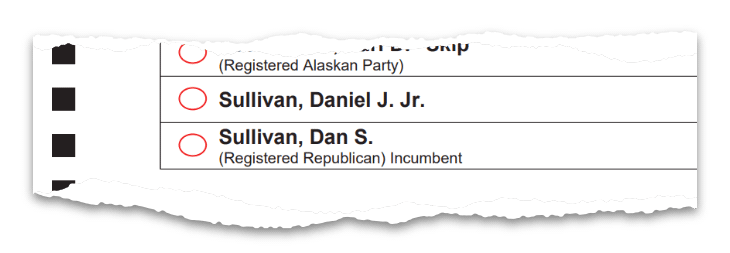
While the Alaska Supreme Court ruled Dan J. Sullivan had to be on the ballot — pointing to the small issue of there not being any law or regulation saying the state could do what it did — it left open the question as to how he should appear on the ballot. And it shouldn't shock you that the Division of Elections used that to their (Sullivan-backing Republicans’) advantage, listing Dan J. Sullivan in a frankly punitive manner. Continuing their insistence that it's evident he's a bad-faith candidate trying to confuse — an issue that they still have not been able to convincingly establish is something they can legally get involved in — officials argue they had no choice but to take totally unprecedented action by listing him as Daniel J. Sullivan, Jr. without his party affiliation, which would be Republican. The design of his name is one thing — and likely within the rules designed to minimize confusion — but the removal of his party affiliation, the sort of thing that falls under our First Amendment associational rights, is quite another.
The state argues those rights aren't actually guaranteed because, well, they say so.
And, finally, the state has also been hastily disqualifying voters based on what even they admit is "old data” from the DMV, resulting in something like a 700% increase in disqualifications. In total, the Division of Elections' effort to "clean up" the voter rolls ahead of the 2026 election — seemingly an extension and, effectively, the implementation of Trump's cruel attempts to make it harder to vote by fear mongering over illegal immigrants voting — has removed more than 3,000 voters this year. Infuriatingly, the Division of Elections seems to have known full well that the process was messy, inaccurate and likely to flag citizens as noncitizen voters. According to an excellent report by the Alaska Beacon, the disqualifications led to total voter enrollment declining, which is deeply unusual during an election year, and seems to be largely affecting voters who got a driver's license as a noncitizen but have since become citizens and are in the window before they need to renew their driver's license.
It's a problem that the DMV even seemed to flag in a memo, outlining how the "non-routine request" of drivers' citizenship shouldn't be considered a formal determination of their current status, just their status when they got their license.
But that didn't seem to stop Division of Elections Director Carol Beecher, who told lawmakers this week that even though the results were "very concerning," they had to heed the report and disqualify the voters (more of this flimsy legal justification). And, hey, she added, even if it caught people who can legally vote — which it most definitely did — then they can simply let the state know.
“It is not disenfranchising the individual from being able to vote, but it’s a measure the division has to take to make sure that we only have citizens voting,” she said, seemingly without a hint of irony during a hearing that never did bring up her denialism around the 2020 election. “It is not an onerous request from the division to simply contact us and confirm, and that is what we have asked them to do. We don’t require paperwork. We’re not requiring documentation. Nothing like that."
But according to folks who talked with the Beacon, that's not at all the case.
Instead, they report difficulty getting ahold of anyone at the Division of Elections and that the voicemail boxes have been full. The state claims it sent letters to the affected voters, but several only found out when they checked their registration status on their own or by word of mouth. Those who have gone through the process of reversing the decision also told the Beacon that it wasn't as easy as a simple call and they did, in fact, have to send in their naturalization papers.
Chris Waigl, a Fairbanks resident who got her license in 2019 and naturalized in 2025, told the Beacon that not only is it a problem for voting in the future, but it also raises the specter of legal consequences for votes they've already cast. And that's not a hypothetical. Alaska is doggedly pursuing criminal charges against several Whittier residents from American Samoa who registered to vote after being told by a local official that while they couldn't vote for president, they could participate in local elections.
So, to be clear, thousands of Alaskans have been disqualified on knowingly shoddy, outdated data, and Beecher's concern that it may have caught people who are fully within their rights to vote seems to be little more than a shrug, standing in stark contrast to her concern about the Dans.
To the non-GOP diehard lawmakers at this week's hearing, the whole thing stinks, particularly around the treatment of the Dans and the decision to conceal his political affiliation on the ballot. After all, would there have been the same urgency had a Mary J. Peltola filed to run? Would they have hired an Outside attorney whose clients include the political party pushing the allegations of fraud? Would they have so readily trod on her associational rights?
Legislators had their doubts.
"The intent is to support the voters and have a trusted, nonpartisan elections office, and the appearance is that this was partisan decision making," said House State Affairs Committee chair Rep. Ashley Carrick, D-Fairbanks. "I don't know if that decision would be made for every incumbent, and if so, I don't know if voters would like there to be a bias for incumbents from the Division of Elections other than just listing someone as an incumbent."
If they could use Sen. Sullivan's "incumbent" label to differentiate the candidates, then why go so far as to erase Petersburg Sullivan's party affiliation?
"As far as the way that the ballot was designed, I'm certain that there could be many arguments about different ways that it could have been done — should have been done — but in the end, this was the decision that the division made under what we have the authority to do," she said. "I understand your concerns, but in the end, this was a decision that we made."
Ah, yes, what a great and transparent way to run an election.
Oh, and then there was this, when the Division of Elections spokesperson got all handsy with the KTUU team, which has been hounding the whole issue in search of any reasonable basis for the decisions other than "Because we say so":
They did not, in fact, get any more explanation.
More coverage of Beecher's voter purge: Alaska Beacon, Alaska Public, Associated Press
More coverage of Sullivan situation: Alaska Beacon, KTUU
More coverage on the KTUU dust-up: KTUU, ADN
AKLNG faces AKLONG odds after Dunleavy, Hillcorp say 'no way' to S-corp taxes

Ah, how optimistic the AKLNG project looked just a few months ago. Legislators in the House hammered out enough of a compromise with enough protections that they were able to get the bill across the table with plenty of votes to spare. But the Senate — old hands when it comes to cutting through the sweeping, hollow industry promises made in order to get tax breaks — saw it as an opportunity to impose more safeguards on Alaska as well as fix an old one that's been chafing lawmakers ever since Hilcorp took over BP's assets in 2019.
That would primarily be the so-called S-Corp loophole, where corporations organized as S-corporations have profits taxed at the personal income tax level and thereby avoid paying any corporate income taxes to Alaska. With Hilcorp's entry, that erased in the ballpark of $100 million annually, and lawmakers have struggled to fix the issue in large part because, gosh, won't people please think about Hilcorp's well-being?!? So the Senate put the provision into the bill along with a handful of other safeguards and sent it back to the House, where it failed and was sent to a conference committee to hammer out the differences.
And it looked like they had reached a compromise, backing out some of the protections and exempting the AKLNG project from the S-corp taxes. Legislators were under the impression that Glenfarne, the private developer leading the project and looking to recoup massive profits, was on board until it went to a vote last week. By then, Dunleavy had threatened to veto the bill, and the House ultimately spiked it once more.
While Dunleavy insists that it's all about keeping things simple, legislators tell of a much different story behind the scenes. Hilcorp, which will supply much of the gas to the AKLNG project, basically threatened to make things as difficult as possible for the project in gas negotiations if the S-corp taxes became law.
“What I heard from Glenfarne is that Hilcorp told them that if they came out in support of the bill, that they would make all their contractual negotiations impossible for them," House Finance co-chair Rep. Calvin Schrage, the Anchorage independent who crafted much of the final compromise, told the Beacon, "and essentially threatened to use their future negotiations, which they knew they would have to enter into, to leverage them and and make things incredibly difficult."
Those are all claims that, unsurprisingly, everyone involved seems to dispute; however, Glenfarne's carefully worded statement opposing the bill because it "increases commercial and economic uncertainty in Alaska for the whole industry working together to support this project" suggests otherwise.
Dunleavy went as far as to call the whole thing "bullshit" and said he'll call them back for their third special session, set to start on July 27, on the AKLNG project. Legislators are predictably pessimistic about it.
“The governor’s probably in a bad mood,” said Sen. Bert Stedman, R-Sitka, told the Beacon at the time, “but he was definitely told on several occasions when we were negotiating this bill that this is our last and final offer. The bill goes down, it’s dead. There’s no playing around.”
And while Glenfarne maintains that it's already compromised plenty, it's also worth pointing out that many of the protections in the bill have outs. They don't actually have to build Fairbanks spur line to get their tax breaks; they just have to give it a try, and if it doesn't pencil out, then that's fine. For several lawmakers, the next special session is almost certainly going to be another costly waste of time until Dunleavy, Glenfarne and Hilcorp are willing to give something up.
“It’s a long shot,” Senate President Gary Stevens told the ADN. “I’m not sure that either the House or the governor is capable of sending us a bill that we can agree to. ... At this point, there are things that the governor apparently can’t stand about our bills, and there’s things about this bill that we are in disagreement on.”
He said the S-corp changes are a must for a majority of the Senate and that Dunleavy's plea to keep it a separate issue is unconvincing, when everyone knows full well that that's a dead end for the change.
“The governor says, include the S-corp in a separate bill,” Stevens said. “Well, that’s easy enough to say, but every time we have had a tax increase, he has vetoed it. So it’s unlikely he would ever agree to that, and so, what do we do?”
The session is set to start on Monday, but both chambers have signaled plans to meet in technical sessions that won't require legislators to return to Juneau. If any new versions of the bill materialize, they will likely be a product of closed-door negotiations, so there won't even be many committee hearings to watch.
More reporting: Alaska Beacon, ADN, KTUU
Hill will get a head-to-head with Begich after Schultz’s exit, as GOP banks on stoking division

The sometimes-bitter fight over who is Alaska’s best hope to unseat freshman Republican Rep. Nick Begich III is over after Democratic candidate Matt Schultz ended his campaign last week, clearing the way for independent Bill Hill.
Hill, a commercial fisherman and retired educator from Bristol Bay, has amassed a long list of institutional support from the center and the left, including powerful labor unions. But his centrist appeal — most notably encapsulated by his refusal to commit to not caucus with Republicans — hasn’t necessarily endeared him to progressives looking for a feisty, values-forward counterpoint to Trump.
“I think the basis of Rev. Schultz’s popularity statewide was based on his ability and willingness to speak passionately about the threats to Alaska’s most vulnerable people,” Ivan Hodes, a Schultz supporter who has since thrown his support behind Hill despite prior skepticism, told The Alaska Current. “I hope that Bill Hill understands that he will have to earn the trust of those of us who believed in what Rev. Schultz was trying to do.”
Capitalizing on those kinds of misgivings, though, seems to be the main Republican strategy with the race.
Just last week, the NRCC outlined a plan to use groups to boost Schultz in an effort to rile up misgivings among the anti-Begich vote. While the Hill camp said it was because Republicans believed Schultz would be easier to beat, it was ultimately the last straw for the progressive Anchorage pastor who has struggled to win the eye of key boosters.
“I am deeply disappointed that the GOP chose to meddle in this race and that too many institutions within the Democratic Party ecosystem declined to meaningfully support a campaign rooted in service, integrity, and the needs of working Alaskans,” Schultz said in a statement on Friday. “But we are living through a moment when our democracy itself is under threat, and defeating Nick Begich and restoring a Democratic majority in the House must come before any one candidate or campaign.”
He added that he’s “calling on Democrats, Independents, and all Alaskans who believe in protecting our democracy to vote for Bill Hill in the general election this November.”
For Hill’s part, he recognized the differences between the two but stressed that they shared similar underlying values important to working-class Alaskans.
“We grew up in different places. We don’t agree on every issue. But I’ve sat across the table from Matt and have learned we have similar motivations and values,” Hill said in a statement on Friday. “Today Matt made a tough and selfless decision to put Alaskans first. Matt has run a strong, grassroots, Alaskan campaign. He’s made a clear case for lower costs, affordable healthcare, and an end to the rampant corruption in DC. These are the same issues I’ve committed to fight for in Congress.”
But despite efforts by both campaigns to unite their supporters, Republicans haven’t let up on the effort to divide and conquer. Over the weekend, Begich’s campaign gloated that Hill was “successful” in forcing Schultz out of the race, claiming that “Schultz was shown to be a stronger candidate than Hill.”
Hodes, who came to fame for hounding extreme-right Wasilla Rep. David Eastman over his ties to the anti-government Oath Keepers militia, shared the post with a message warning his followers against falling into the Republicans’ trap.
“It’s okay to be disappointed in what happened in this race, but allowing yourself to resent it so much that you don’t vote is what Begich and Mike Johnson want,” he wrote. “Don’t let them divide us.”
Kevin Groh, a spokesman for Hill’s campaign, was dismissive of Begich’s strategy.
“Nick Begich is trying hard to distract us from his record of raising our costs, taking away our health care, and giving tax cuts to billionaires,” he said. “Nothing has unified Alaskans faster than attempts by Nick Begich and the NRCC to interfere in this race.”
In an interview with The Alaska Current, Hodes said that he wasn’t thrilled with how Schultz exited the race but said that it’s unthinkable to not support Hill when anything else would effectively be gifting Begich another term in office.
“The idea that any Schultz supporter might consider doing anything other than voting for Hill is just absurd. If we’re upset that Hill doesn’t speak out loudly enough in defense of vulnerable Alaskans, imagine how much more upset we are that Begich votes, again and again, to actually harm them — from their voting rights to their access to reproductive rights,” he said. “If we’re frustrated about the role that out-of-state money seemed to play here, imagine how much more unappealing Begich must be: A man backed by nearly a million dollars in donations from out-of-state corporate PACs, not to mention AIPAC. It’s frankly pathetic that Nick Begich thinks he’ll be able to divide Alaskans the way he’s trying to do, and I’m pretty optimistic that progressives, moderates, and independents will come together to get rid of this AIPAC-backed Trump sycophant in November.”
It should be noted that for all the Republicans’ pearl-clutching over Schultz’s exit, they are no strangers to strategic exits in races for the U.S. House. In 2024, Begich got a head-to-head race with Democratic U.S. Rep. Mary Peltola after Lt. Gov. Nancy Dahlstrom dropped out amid incredible pressure from national Republicans.
Schultz will still appear on the Aug. 18 ballot and can formally drop out once the election is held. The general election is Nov. 3.

This story was edited with help from Victoria Petersen and The Alaska Current. Everything else is mine, including the typoes.
More from The Current
 Matt Acuña Buxton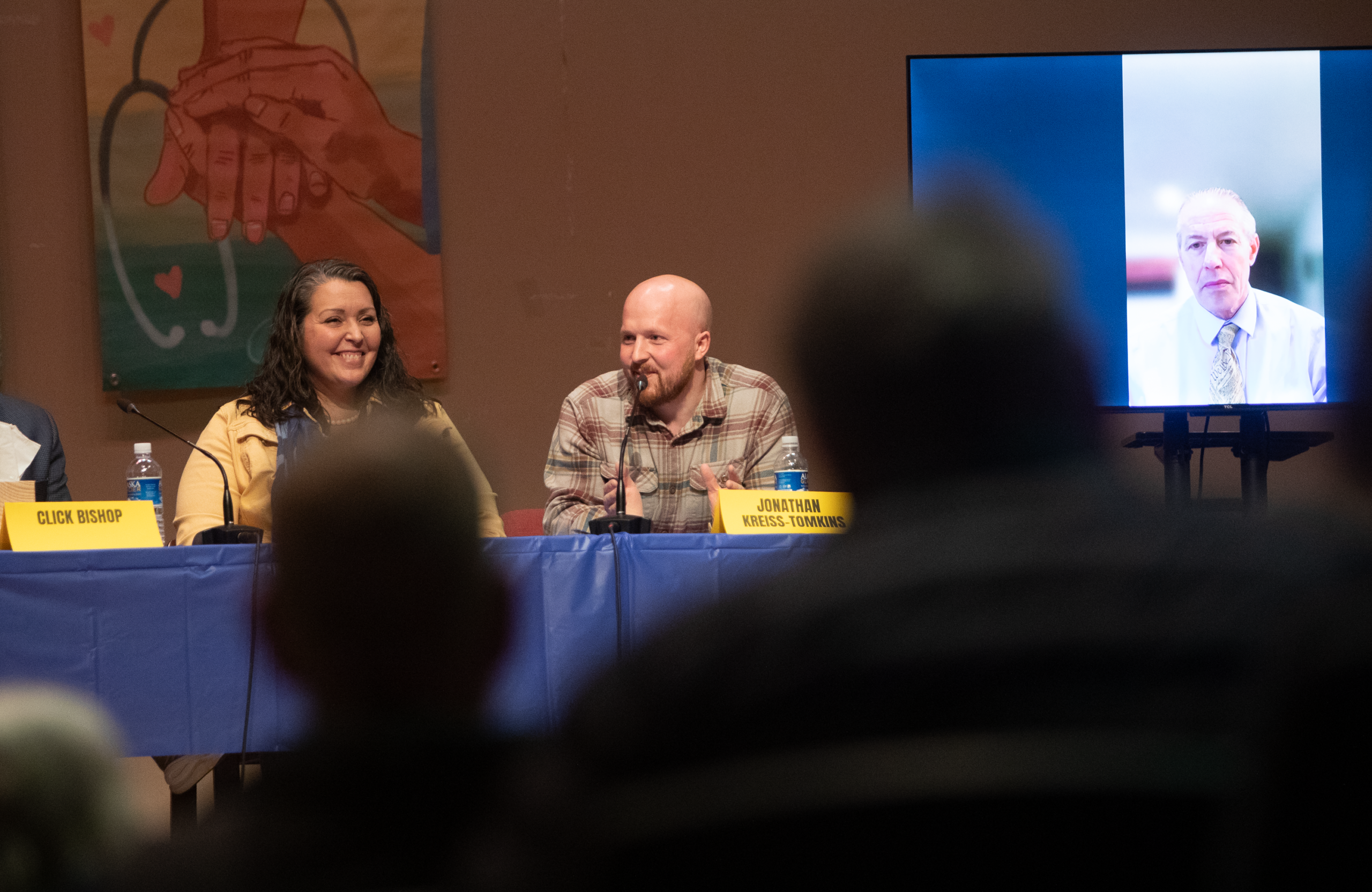
 admin
admin
Victoria Petersen launched a new Alaska-focused newsletter for The Current. Check it out!

Reading list
 Mari Kanagy and Chris Aadland
 Ava White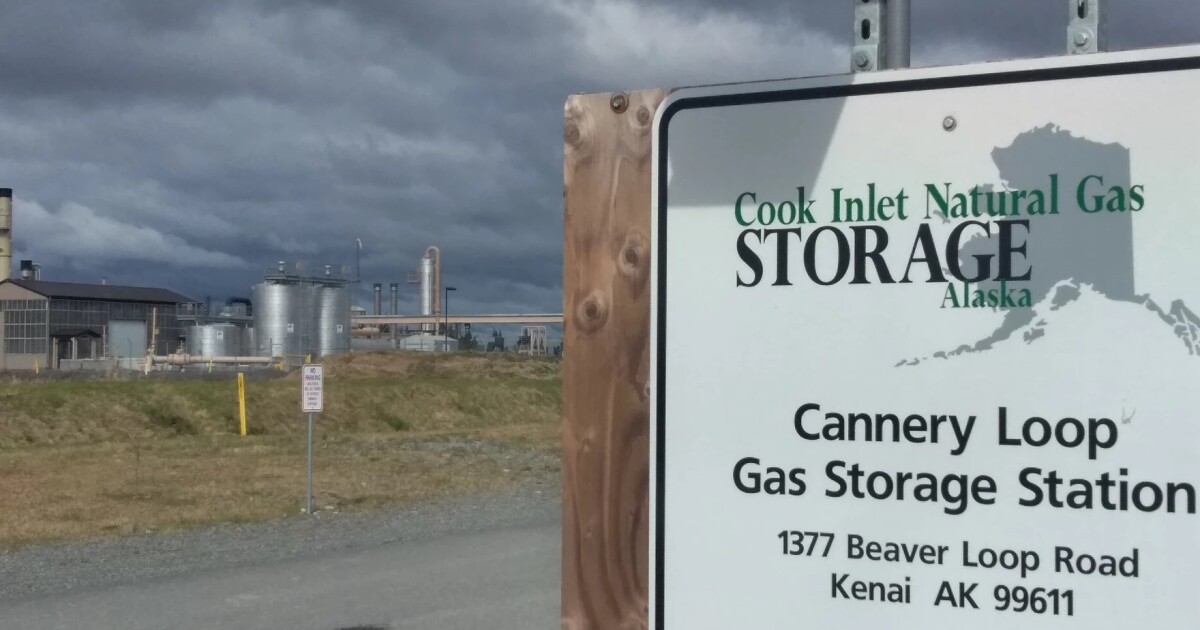
 Corinne Smith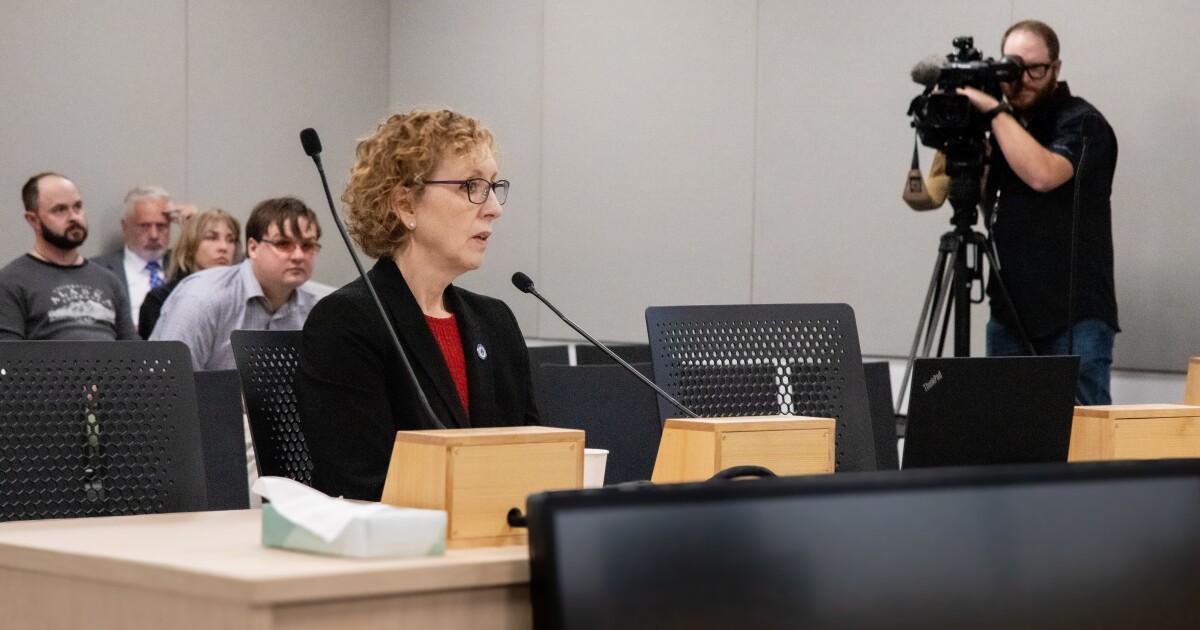
 Iris Samuels
 Corinne Smith
 Matt Schultz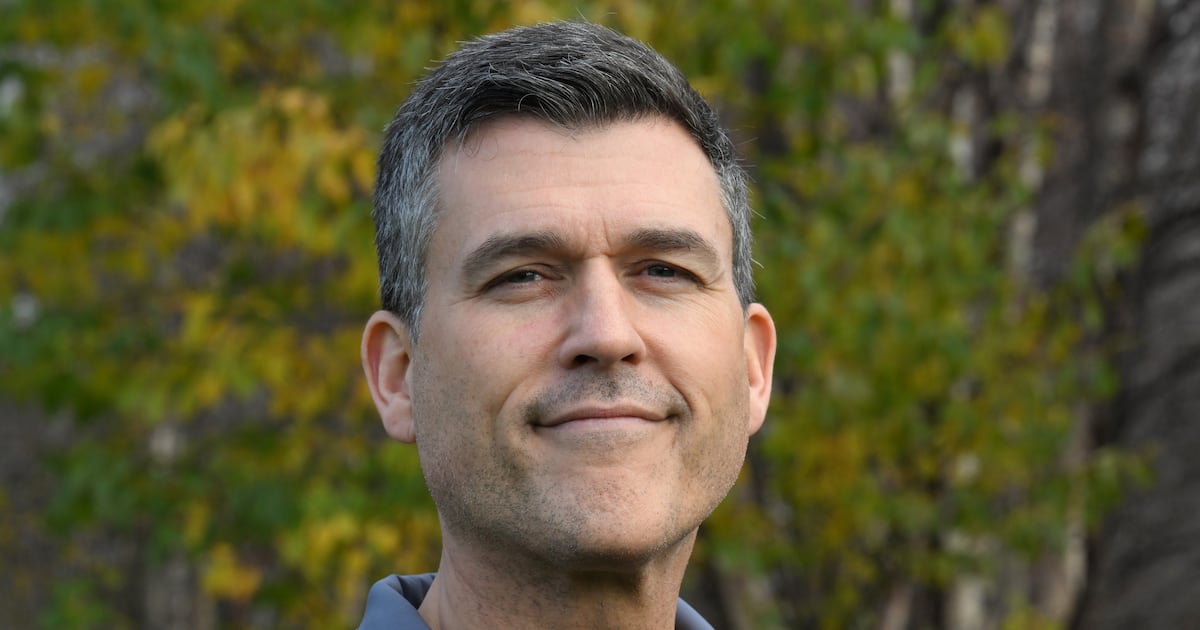
Weekend watching
What better place to explore the meaning of what it means to be free in America than Alaska's Fourth of July car launch?
Have a nice weekend, y'all.

The Alaska Memo Newsletter
Join the newsletter to receive the latest updates in your inbox.